Raleigh, NC: (919) 277-9299


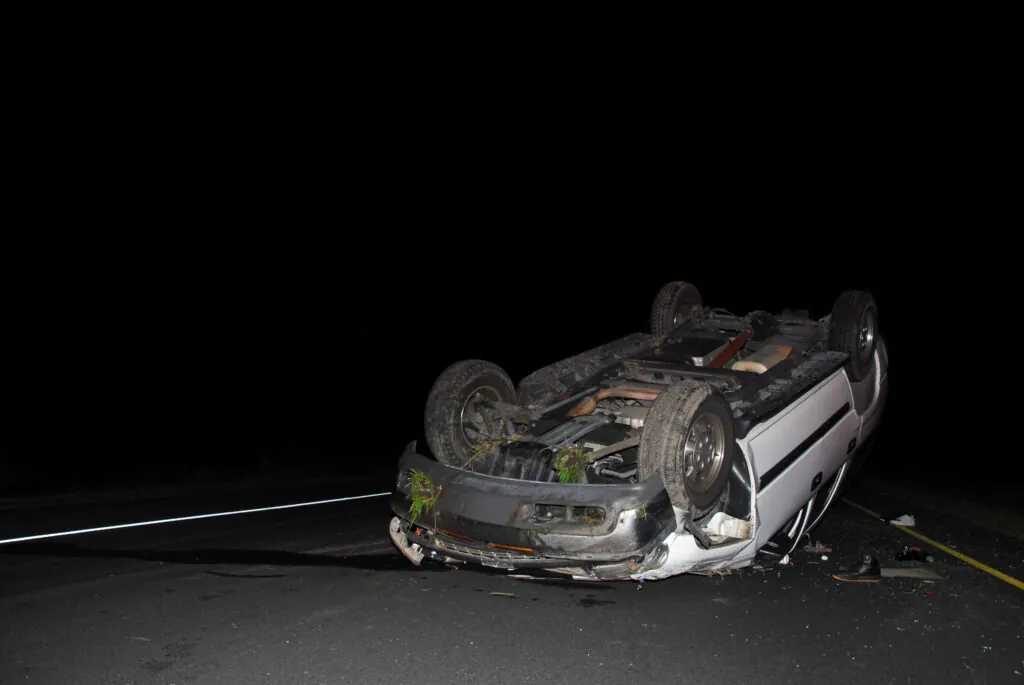
According to estimates from the National Highway Traffic Safety Administration, nearly six million police-reported traffic accidents occurred on U.S. roadways in 2023. Separately, estimates reported by the Insurance Information Institute indicate that, in the ten years between 2014 and 2023, around five million auto crash-related lawsuits were filed in state courts. A comparison of these estimates suggests that, while millions of wrecks occur nationwide each year, only a fraction of people involved in car accidents file a lawsuit afterward.
In many cases, though, suing after a car accident may be necessary to protect your rights and foster sufficient damage recovery. Reasons to sue for a car accident include extent of injury, unfair insurance offers, and liability disputes.
5 Considerations When Deciding Whether To Sue for a Car Accident
Deciding to sue for a car accident is a personal choice, but a lawsuit may be worth the effort when your damages are substantial and insurance and/or at-fault parties are not adequately covering them, or when liability for the crash is in dispute. Let’s explore five key variables to consider when you’re contemplating an auto accident injury claim.
1. The Extent of Your Injuries
The more severe and persistent your injuries in a car wreck, the greater an impact they can make on your life and finances. If you experience catastrophic injuries, expenses for medical bills and long-term care can grow into the millions of dollars. Other damages may include lost wages, lowered earning capacity, and pain and suffering. Insurance companies may be slow or even refuse to cover all of your needs. A personal injury claim may be the most effective way to recover full damages and secure the resources you need to get your life back on track.
2. The Insurance Company’s Offer
Insurance companies are for-profit businesses. It’s in their financial interests to minimize their offers to claimants and even to deny claims after a crash. An insurer acts in bad faith when it unfairly and dishonestly delays or denies an insurance claim. Any time an insurance company tries to avoid paying out, makes an insufficient offer, or otherwise acts in bad faith, filing a lawsuit signals you feel strongly about your claim and you’re willing to pursue damage recovery in court. A desire to avoid the potential risks and expenses of a trial may motivate the insurer to make a more equitable offer.
3. Any Disputes Over Liability
To avoid expenses and accountability, at-fault drivers and their insurers may attempt to deny responsibility and/or wrongly shift the blame for a wreck. Suing for a car accident forces all parties involved to participate in a thorough investigation of the crash. Discovery—a legal process in which the parties involved in a lawsuit exchange the information and evidence they plan to present during a trial—can shed light on the true cause of the wreck. This helps ensure that the proper party is held accountable, and fosters appropriate damage recovery for non-liable parties.
4. The At-Fault Driver’s Coverage Levels
In some cases, the driver responsible for a wreck may be uninsured or may carry an insurance policy with limits too low to cover your damages. Filing a lawsuit enables you to pursue damages directly from the liable party beyond coverage limits. (Legal action provides little benefit if the at-fault driver has minimal assets to seize. This makes an assessment of the driver’s assets—a service provided by most auto accident attorneys—an important step to take when evaluating whether it’s worthwhile to sue for a car accident.)
5. Potential Negligence by the At-Fault Party
Negligence is a failure to exercise a degree of care that a reasonable person would expect in a given situation. When negligence rises to an extreme level characterized by a reckless disregard for the safety and well-being of others, it is considered gross negligence.
If the party at fault was intoxicated, driving recklessly, or otherwise demonstrating a high level of negligence when the wreck occurred, a lawsuit can help you hold them accountable for the harm they caused. Evidence of such behavior may also strengthen your claim should you decide to pursue legal action. When you can sue for gross negligence, a judge or jury may award punitive damages—compensation that goes beyond your actual losses to discourage the defendant from repeating especially egregious behavior.
Valuable Guidance and Support for Your Legal Options
Filing a legal claim after a car crash isn’t always necessary, particularly when injuries are minimal and damages are minor. But whether to sue for a car accident isn’t always clear. Consulting with an auto accident lawyer when considering a claim can offer invaluable insights and guidance on when to file a lawsuit.
These professionals also have a deep understanding of the following factors that play a key role in auto crash claims:
- How damages are calculated
- How insurance claims work
- Insurance adjusters’ tactics
- Accident causation
- When you can sue for negligence
Should you decide to pursue legal action, an attorney can handle the procedural details and help you gather the critical evidence to support your claim. If you’ve been harmed in a wreck and you’re considering legal action, learn more about when you might want a lawyer’s help after a crash.
Next Steps To Take After a Car Crash
Even if you’re undecided about filing a lawsuit right now, taking the appropriate steps after a car crash will help protect your rights and build a stronger case should you decide to pursue future legal action.
Bell Legal Group can help in the following ways:
- Calculating the economic damages caused by the accident, including medical bills, loss of income, and reduced capacity to work.
- Carefully reviewing offers from insurance companies and comparing them to the damages that resulted from the crash.
- If you were seriously injured, create a life care plan to assess the potential costs of future care needs, and then weigh these against insurance offers.
- Get estimates for any modifications you need for accessibility at home and/or for operating a vehicle and compare these to insurance policy limits.
- If the at-fault party is uninsured or insufficiently insured, assess their ability to pay for any damages beyond coverage limits.
- Review the details of the case for any evidence of shared fault or details that may help resolve disputes over accident liability.
- Research the at-fault party’s past driving records to assess whether they may have a history of causing accidents.
If you’ve been injured in a crash and you’re on the fence about suing for your car accident, let the attorneys at Bell Legal Group provide valuable insights to help you decide. Our team of lawyers can evaluate the details of your wreck and advise you on the strength of your case, and then assist with any legal actions you may decide to pursue. Contact Bell Legal Group and share your story with us today.