Raleigh, NC: (919) 277-9299


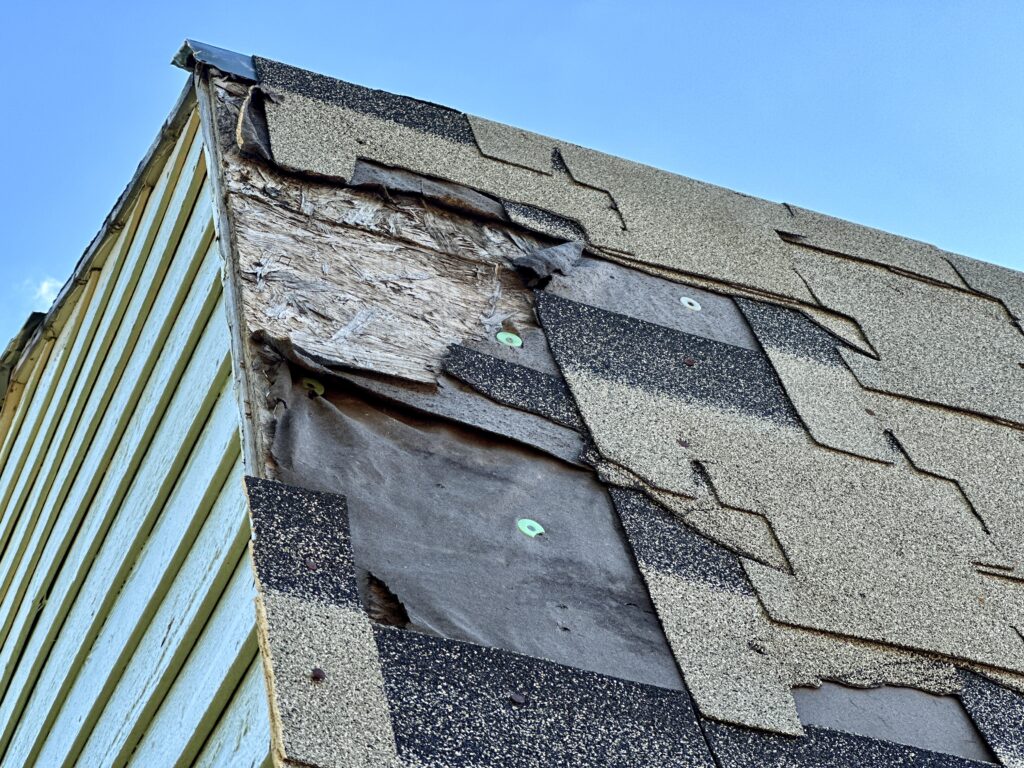
Understanding what construction defects might include, such as a flawed foundation, poor drainage, or water intrusion, helps pinpoint the nature of the problem and the entities that may be responsible.
New-build homes involve coordination between architects, general contractors, subcontractors, and numerous other trades. Negative consequences can result when a project is rushed, or a party ignores municipal codes, installs cheap materials, or completes subpar work. These errors can cause financial damage and threaten a family’s safety or well-being.
Holding a residential builder accountable may help you with remediation or repairs. You’ll first need to identify your home’s faults, which are sometimes complicated to trace back to their sources. Our trial attorneys help homeowners explore the types of potential construction defects—design, material, workmanship, and subsurface—and identify potential legal remedies.
Four Common Types of Construction Defects
A construction defect is a condition that reduces the value of a structure or endangers the health or safety of its occupants. Construction defects usually fall into one of these four categories:
- Design: The plan itself is unsafe or unworkable
- Material: A product used in the build was flawed
- Workmanship: The work wasn’t completed to code
- Subsurface: The site wasn’t properly prepared or designed to accommodate the soil or materials
Differences in Residential Construction Defects At a Glance
To label a condition ‘defective,’ you’ll need to compare your observations or experience to evidence such as the plans/specs, manufacturer instructions, or accepted trade standards. The type of issue shapes the risk urgency, scope of correction, and who may be responsible.
| Defect | Design | Material | Workmanship | Subsurface |
| Definition | The building plan or specification is flawed | A product / item is defective, out of spec, or improperly installed | Installation didn’t meet code, industry standards | Site conditions weren’t tested, designed for, or prepped |
| Risk and Scope | All buildings that follow the design carry the risk; stopgaps may fail without redesign | May be isolated to affected batches/lots or materials | Rework may be required to correct the issue, dependent on sound materials / design | Potential structural and water intrusion risks |
| Where It Often Appears | Roofing, building envelope, or foundation | Building envelope, structural components, or major systems | Building envelope, framing connectors, tile/stone areas, or roofing | Foundations; slabs-on-grade; retaining walls; below-grade walls; site drainage |
Patent vs. Latent
Residential construction defects may be patent, meaning they were visible at the walkthrough or soon after, or latent, which are hidden flaws that are discovered months or years later.
Whether building defects are patent or latent can change the legal timelines, required proof, and procedures. Consider speaking with a lawyer familiar with construction defects to understand the state-specific laws and homeowner requirements for pursuing remedies or repairs.
How Do I Tell if a Problem Is a Design, Material, Workmanship, or Subsurface Defect?
When an independent inspector performs a construction defect investigation, they can detail what’s failing and the risk urgency, whether the problem is in the design, materials, workmanship, or subsurface. Once the inspector provides date-stamped photos, locations, testing results for moisture, leveling, and plan or manufacturer citations—and recommendations to stabilize the issue—you’ll have valuable data to inform your next steps.
Investigating Faulty Construction
Common sources of problems in new home construction include improper grading, an uneven foundation, incorrect roofing or flashing, and overloaded electrical systems. Homeowners don’t need to identify these issues on their own, nor do they need to ask the original builder, but they should seek an independent inspection.
Why Identifying Types of Construction Defects Matters
Determining the root cause of building flaws helps homeowners assess whether the remedy might be cost-prohibitive or if the issues pose an urgent risk to their safety. Lawyers may also determine liability based on where the failure originated and which entity’s contribution to the build fell below standard.
Issues identified can then be categorized into severity tiers, which is a grading system based on the issue’s impact on safety, structural integrity, and value. This quantifies the issue’s extent and potential remedies, as follows:
- Major (Structural/Safety Flaws): Major issues with the greatest consequences, such as exposed electrical wires, major foundation cracks, missing firestopping, or gas leaks, may impact the home’s structure, soundness, or safety.
- Minor (Functional Issues): These are reparable problems that hinder normal use but aren’t immediately dangerous, such as HVAC glitches or poorly sealed windows.
- Maintenance (Cosmetic Issues): These aesthetic issues won’t impact safety or structure, but they’re displeasing or inconvenient and impact a home’s value.
Next Steps: Stabilize and Investigate Building Defects
What you do next makes a difference. Start here:
- Make It Safe: Shut off water or power as needed and limit access to affected areas; seek medical treatment for any injuries caused by the flaw.
- Prevent Further Damage: Install temporary protection or corrections to stop the issue from causing additional destruction.
- Seek an Independent Assessment: An independent home inspection is one of the first items to secure before contacting construction defect lawyers; it documents conditions, causes, and safety steps.
- Preserve Evidence: Photograph conditions over time and label and store failed materials; keep all packaging, product labels, and delivery paperwork related to the problem area.
- Notify the Builder: Most states require homeowners to follow a notice-and-repair process (alerting the builder and allowing them to inspect and repair the property).
- Collect Project Documents: Gather building plans, permits, inspection reports, warranties, and final checklists (known as punch or snag lists).
- Track Related Costs: If you made temporary repairs, were displaced, lost valuables or belongings, or were injured, track all expenses for these consequences as evidence of damages.
Share your story, photos, inspection reports, and any notices from the builder with us so we may assess your situation. We’ll review the failure type, urgency, and possible repair options, and outline practical next steps to help protect your legal interests. Contact the attorneys at Bell Legal Group to explore your legal options.